
Why You Still Need a Website in 2025
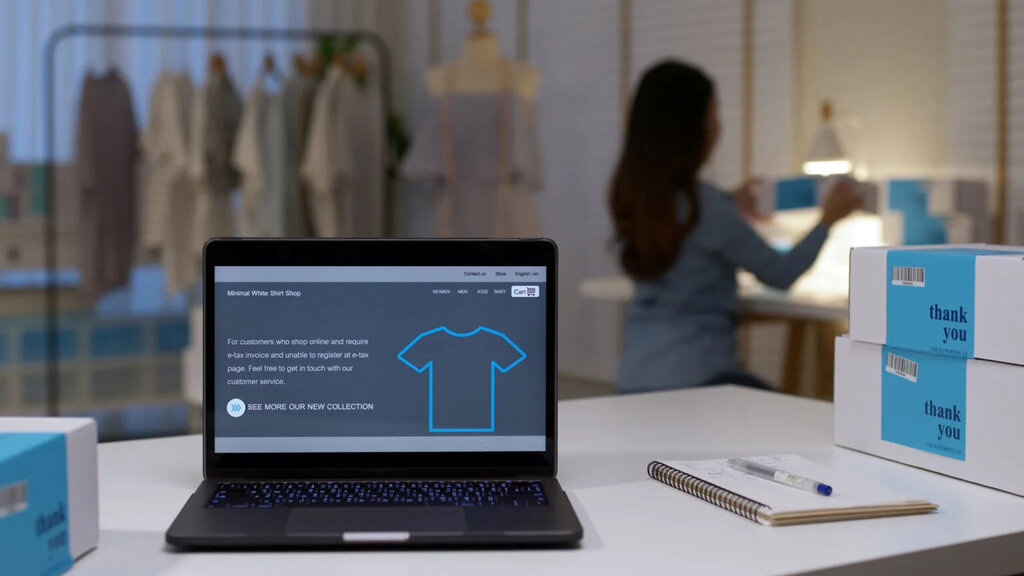
In this article, I discuss why you still need a website in 2025, and why more than ever it's absolutely essential.
In today’s digital age, having a website is becoming increasingly vital for businesses of all sizes. By 2025, it will be essential for companies to maintain a web presence in order to stay competitive and relevant. The Covid-19 pandemic from 2020 to the end of 2022 highlighted this need, as many businesses depended on their online presence, especially when physical locations were closed.
One of the primary reasons a website is crucial is that it provides your business with a professional online identity. Consumers expect businesses to have a website and lacking one can make your organisation appear outdated and untrustworthy. A website allows you to display your products or services, share critical information, and engage with customers. It serves as a central hub accessible from anywhere, at any time, offering convenience for both you and your clients.
Moreover, having a website enables you to reach a broader audience. As the internet connects people globally, your website is accessible to anyone, anywhere in the world. This aspect can be especially advantageous for small businesses without a physical storefront or those situated in small towns, as it allows them to connect with potential customers beyond their immediate geographical limits.
In addition to expanding your reach, a website can effectively generate more leads and sales. By incorporating calls to action, you can motivate visitors to take specific steps, such as filling out a form, signing up for a newsletter, or making a purchase. Optimising your website for search engines can enhance its visibility, driving more traffic and consequently resulting in increased leads and sales for your business.
Another critical factor for 2025 is the growing dependence on mobile devices. With more people accessing the internet via smartphones and tablets, it’s imperative for your website to be mobile-friendly to cater to these users. A non-mobile-friendly website risks losing potential customers due to a subpar user experience.
Additionally, a website plays a pivotal role in establishing credibility and trust with your customers. By providing information about your business, such as its history, mission, and values, you foster transparency and build trust. Including customer testimonials can further establish your credibility, making a significant impact on potential clients.
In summary, having a website in 2025 is indispensable for businesses of all sizes. It allows you to reach a wider audience, generate leads and sales, accommodate mobile users, and build credibility and trust. If you don’t yet have a website, now is the time to create one. If you already do, ensure it is updated and effective in helping you achieve your business objectives. Don’t let your business fall behind in the digital age—invest in a website and start enjoying the benefits today.